Published July 2, 2023
The Salt River Project Reservoir System: Ensuring Water Supply, Flood Control, and Power Generation

The Salt River Project Reservoir System: Ensuring Water Supply, Flood Control, and Power Generation
John A Sposato

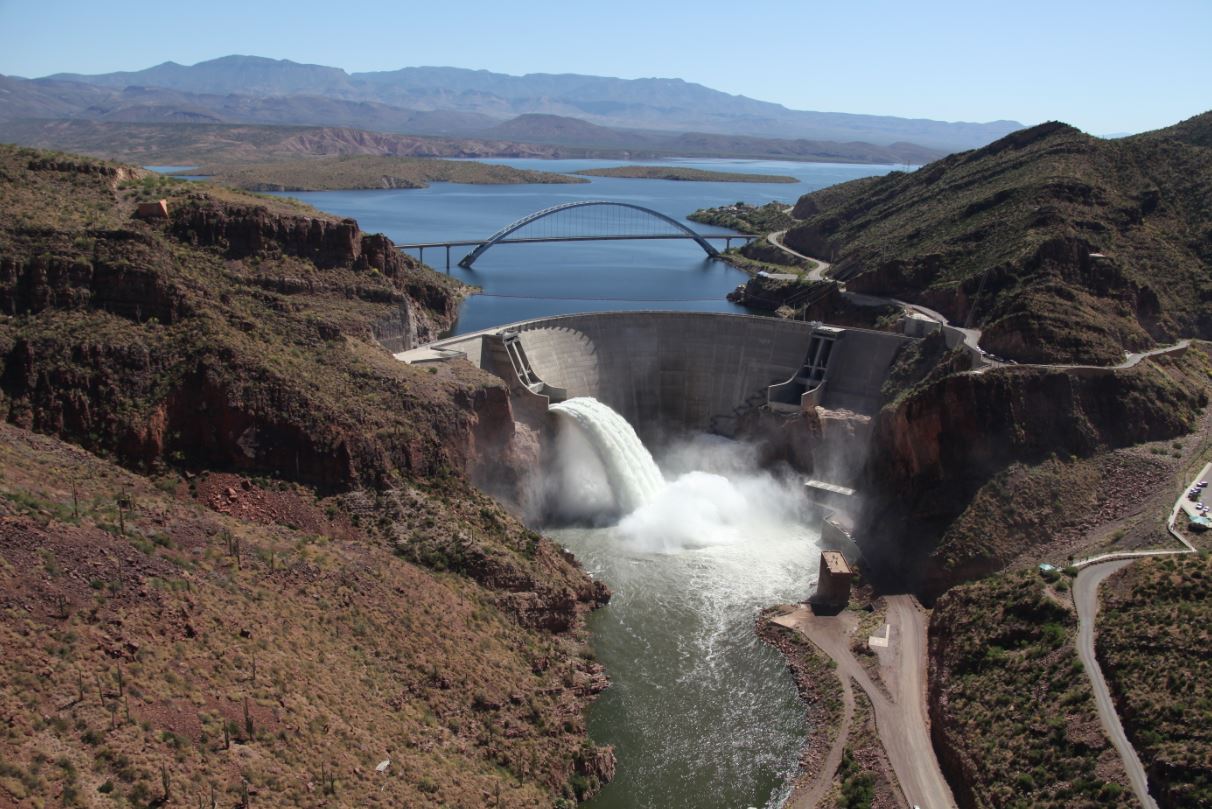
The Salt River Project (SRP) Reservoir System in Arizona is a remarkable water management system that plays a vital role in ensuring a reliable water supply, flood control, and hydroelectric power generation. Managed by the Salt River Project, a not-for-profit public utility, this system encompasses several major reservoirs strategically located along the Salt and Verde Rivers. Let's delve into the details of this impressive water management infrastructure.
Purpose and Management
The primary purpose of the SRP Reservoir System is to store water from the Salt and Verde Rivers and ensure a consistent water supply for central and southern Arizona. Since its establishment in 1903, the Salt River Project has been managing this system, providing water and power to the region. It operates as a not-for-profit entity, prioritizing the needs of the communities it serves.
Reservoirs:
The SRP Reservoir System comprises several major reservoirs, strategically placed along the Salt and Verde Rivers, which originate in Arizona's high country. These reservoirs serve as crucial storage facilities and include:
Roosevelt Lake:

Situated on the Salt River, Roosevelt Lake is the largest reservoir in the SRP system. With a capacity of approximately 1.6 million acre-feet of water, it plays a significant role in water supply, flood control, and power generation.
Horseshoe Lake:

Downstream of Roosevelt Lake on the Verde River, Horseshoe Lake acts as a regulating reservoir for the SRP system. With a capacity of around 8,000 acre-feet, it helps manage the flow of water to downstream reservoirs.
Bartlett Lake:

Located on the Verde River, Bartlett Lake is a major storage reservoir with a capacity of approximately 178,000 acre-feet. It provides water supply, flood control, and recreational opportunities.
Saguaro Lake:

Positioned downstream of Horseshoe Lake on the Salt River, Saguaro Lake is another essential storage reservoir. With a capacity of about 1.2 million acre-feet, it plays a crucial role in water supply, power generation, and recreation.
Water Supply and Delivery:

The SRP Reservoir System stores water during periods of high flow, typically in winter and spring, and releases it during drier periods to meet the water demands of the region. This stored water serves various purposes, including agricultural irrigation, municipal water supply, industrial needs, and supporting environmental requirements. To distribute water to its customers, SRP employs an extensive canal system that spans its service area, ensuring a reliable water supply for communities.
Flood Control:

One of the vital functions of the SRP Reservoir System is flood control. During times of heavy rainfall or snowmelt, the reservoirs capture and store excess water, preventing downstream flooding. The reservoirs can be operated to control the release of water, mitigating flood risks and protecting communities along the rivers. This proactive approach to flood management helps safeguard lives and property.
Hydroelectric Power Generation:
The SRP Reservoir System also harnesses the power of flowing water for hydroelectric generation. As water is released from the reservoirs, it flows through power-generating facilities, such as dams and powerhouses. The force of the falling water drives turbines, producing electricity that contributes to meeting the region's power needs. This sustainable and renewable source of energy helps reduce reliance on non-renewable resources.
Recreation and Environmental Preservation:
Beyond its functional aspects, the reservoirs within the SRP system provide ample recreational opportunities for residents and visitors. Boating, fishing, camping, and wildlife viewing are popular activities enjoyed on the reservoir