
Published October 9, 2024
The Great Migration's lasting billion-dollar impact on Arizona

The Great Migration's lasting billion-dollar impact on Arizona
More than 6,000 tax filers who relocated to Maricopa County between 2021-2022 boosted the region's wealth
By: Pau Thompson

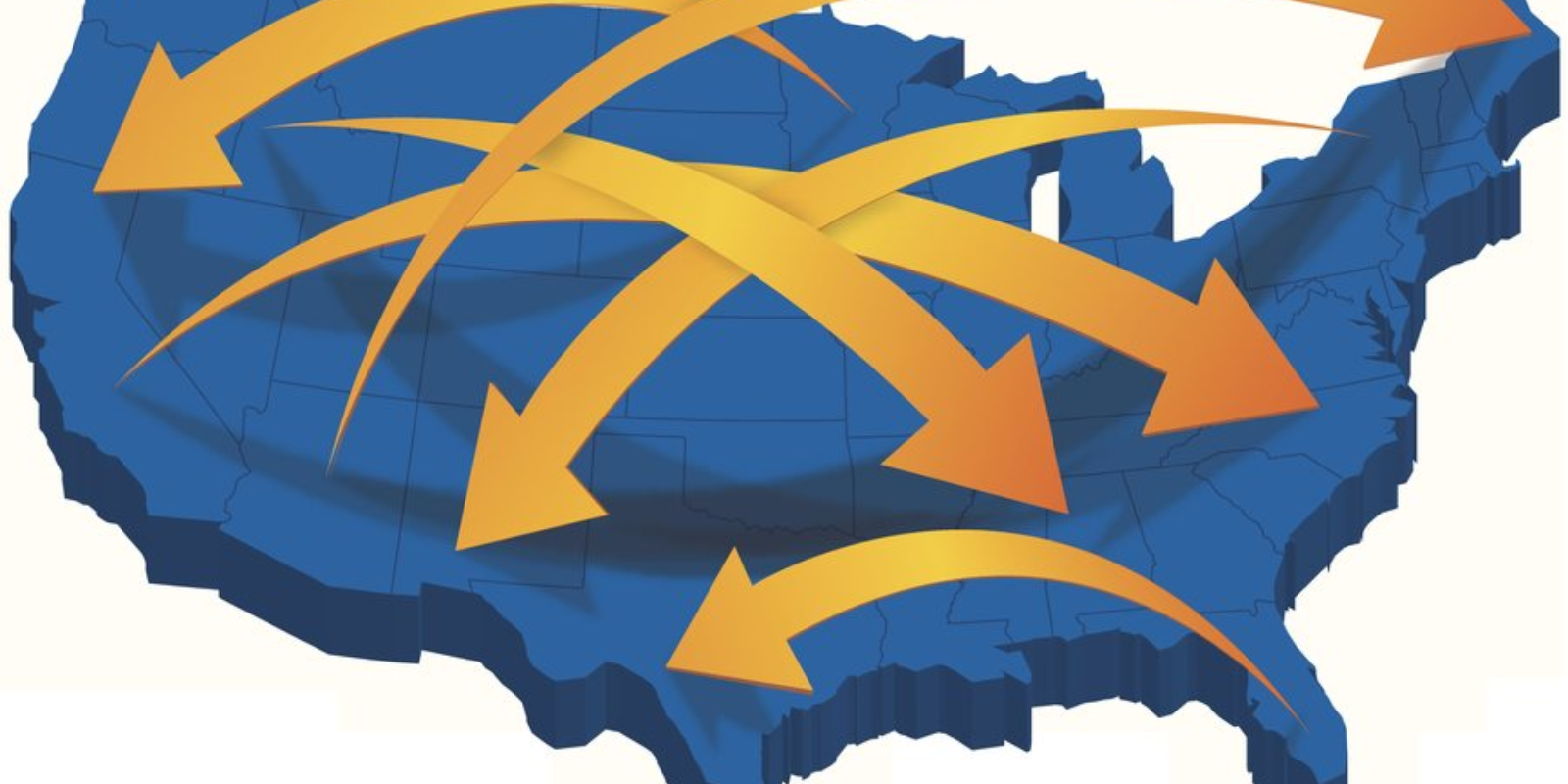
The Great Migration brought billions of dollars in wealth to the Phoenix metro, according to a recent Business Journal analysis.
The trend, spurred on by remote work policies adopted by many companies during the Covid-19 pandemic, has largely tapered off after a furious stretch during the pandemic's peak.
But not before wealth swelled in the Valley from a rush of new tax filers.
Maricopa County was one of the largest beneficiaries of the Great Migration, netting $1.8 billion of adjusted gross income from new tax filers in 2021 and 2022, according to data from the Internal Revenue Service and U.S. Census Bureau. The Valley's largest county added 96,229 tax returns during that stretch with a combined AGI of more than $9.5 billion. During the same span, 89,247 tax returns worth nearly $7.7 billion departed the county.
The average income per tax return from those new arrivals was $98,820 in Maricopa County, which ranked No. 10 in the nation between 2021 and 2022 with a net addition of 6,982 new tax returns. Polk County in Florida's Lakeland metro was the strongest in the country by this metric, adding a net 12,108 tax returns between 2021 and 2022.
Pinal County ranked No. 2 among Arizona counties for net gain in AGI, adding nearly $635 million from 2021 to 2022. That topped No. 3 Pima County, No. 4 Yavapai County and No. 5 Mohave County.

A trio of California cities drove the most new out-of-state tax filers to Maricopa County, the data shows, adding to the widely reported California exodus that occurred during the Covid-19 pandemic.
The most new out-of-state tax filers arriving in the Phoenix metro came from Los Angeles County, which added 4,188 new tax returns with an AGI of $100,227. Next was San Diego County with 2,519 new returns at an AGI of $90,451, and Orange County with 2,103 new returns at an AGI of $149,490.
Maricopa County's Great Migration growth marks the continuation of a decade-long trend in which the county has added more than $19 billion in adjusted growth income since 2011. Maricopa County was one of five counties in Arizona that has registered net inflow of more than $1 billion since 2011: the others are Pinal County ($3.5B), Yavapai County ($3B), Pima County ($2.8B) and Mohave County ($1.6B).
But that growth is now slowing down.
Fewer households made moves between cities over the past year, according to recent data from Bank of America Corp. The analysis used aggregated deposit data to find that inter-city moves fell 4% in the second quarter compared to the same period last year.
While Maricopa County was a pandemic-era hot spot, ranking No. 1 by at least one metric, Columbus, Ohio, registered the largest gains during the second quarter of 2024, according to Bank of America.
Jeffrey Roach, chief economist for LPL Financial, noted in a recent report that the dynamics that created the Great Migration no longer exist. Those factors include the low mortgage rates seen during the pandemic and the onset of remote work that spurred Americans to move out of high cost-of-living areas and into lower cost-of-living locations.
In 2021, the LPL report noted, the U.S. Postal Service processed about 36 million address changes. Last year, it processed 28.3 million. Population growth is slowing in some counties in western states like Arizona and Idaho that saw significant growth during the pandemic.
Andy Medici of the Business Journal's national reporting team contributed to this article.
U.S. Wealth Migration, 2021-2022
These U.S. counties had the strongest net migration between 2021 and 2022. Net migration is calculated by subtracting the number of tax returns leaving a county from the number of new returns added.

Final Thoughts:
The Great Migration's impact on Arizona is undeniable, with Maricopa County emerging as one of the biggest winners in the nation. For those considering a move to the Phoenix metro, this influx of new residents is a testament to the area’s appeal—blending opportunity, quality of life, and a thriving economic environment. As the dust settles from this migration wave, the legacy of wealth and growth it brought to Arizona will continue to shape the region’s future. If you're planning to make Arizona your new home, you're stepping into a community that’s dynamic, welcoming, and built on a foundation of growth.

John Sposato
Co-Founder / Co-Operator | Arizona Home Group | Keller Williams Realty Sonoran Living
or another way