
Published February 9, 2025
Preparing Arizona houses for wildfires can save them. Here's why and what to do

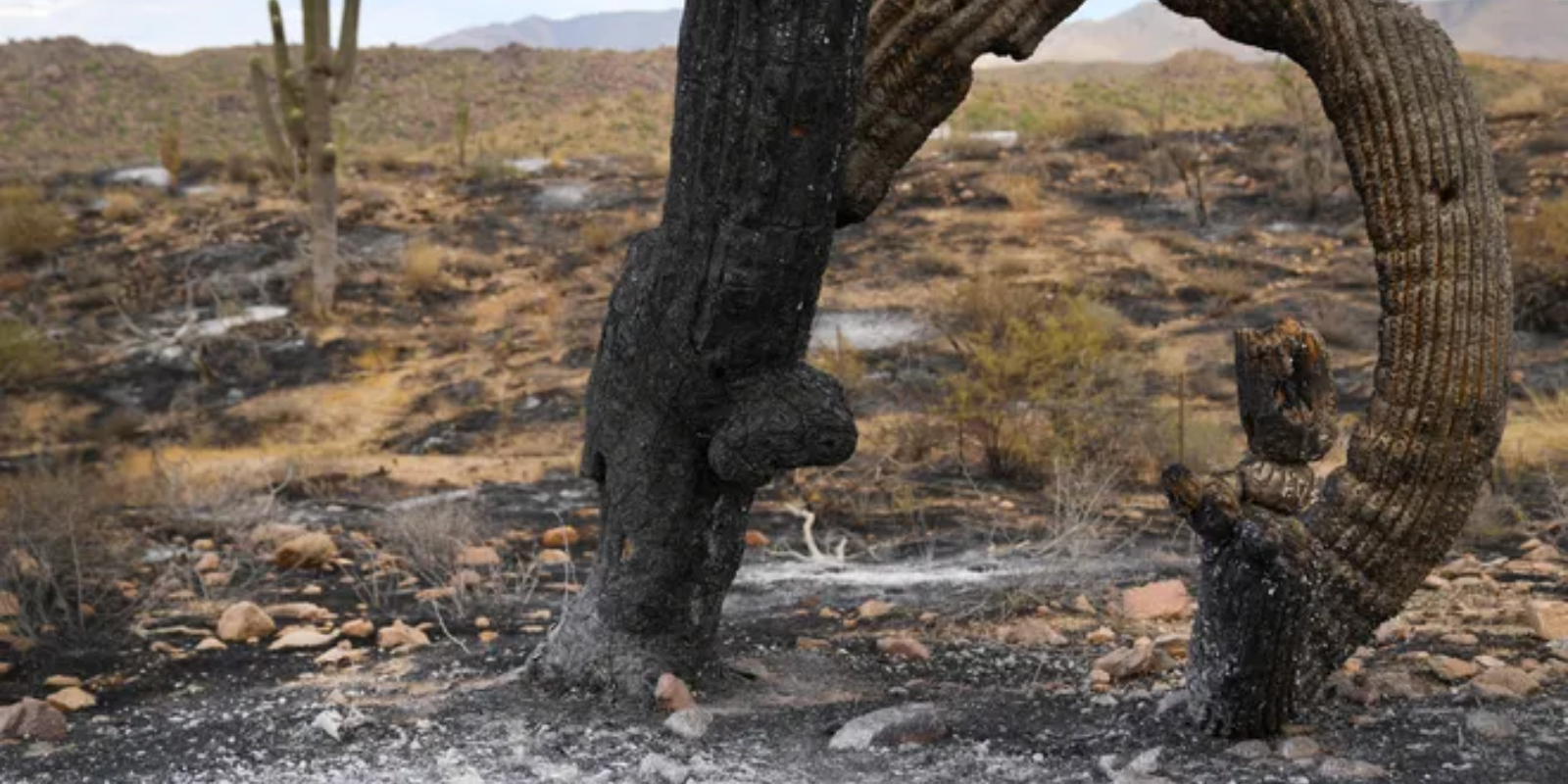
Preparing Arizona houses for wildfires can save them. Here's why and what to do

Arizona home insurance costs are soaring, and a growing number of homeowners near wildfire risk areas can’t even get insurance.
Wildfires are a big driver behind the state’s growing home insurance problems.
The Southern California fires make it clear wildfires are no longer seasonal, and the devastated area’s losses likely mean higher rates for Arizona property owners.
Wildfires aren’t just a rural problem. Metro Phoenix has had its share. In 2005, the Cave Creek Complex Fire that started in north Scottsdale burned 243,950 acres.
Many homeowners in both rural and urban areas can do more to protect their homes and communities from fire.
“Fire mitigation is key for protecting homes,” said Lori Munn, deputy director of insurance in the Arizona Department of Insurance and Financial Institutions, which formed the Resiliency and Mitigation Council to address wildfire damage prevention, home insurance problems and high costs.

Arizona wildfires that burned in 2024 across the state
Pricey home insurance, frustrated homeowners
Arizona led the nation for the biggest increase in home insurance costs between 2019 and mid-2024, according to one survey.
The Resiliency and Mitigation Council is working on getting updated information on average policy costs.
Mark Perkins’ insurance premium on his Phoenix house near South Mountain skyrocketed more than 200% from $2,500 to $7,600 last year.
“They (the insurer) said there was a 35% increase in rates across the board in Arizona, and the rest was due to perceived increase in fire risk,” he said.
He said the “desert there is pretty sparse” near his house.
Perkins switched insurers and kept his costs close to what they had been the previous year.
Insurers aren’t supposed to pass costs from natural disasters outside Arizona to Arizona homeowners.
“We don’t allow insurers to use losses on a hurricane in Florida to raise rates in Arizona,” said Tom Zuppan, property insurance analyst at the Arizona Department of Insurance and Financial Institutions.
But that’s hard to regulate.
Homeowners jumping through 'a lot of hoops' for lower insurance rates
Since 1990, the number of Arizona houses in Wildland Urban Interface areas, known as WUIs, has more than doubled.
Those areas, where development and vacant land meet, are at high risk for wildfire, said Bill Boyd, deputy director of the Arizona Department of Forestry and Fire Management.
He said fire mitigation efforts are key to addressing Arizona’s home insurance problems.
New River homeowner Mark Dorsey recently “jumped through a lot of hoops” to get his insurance renewed.
He had to provide distances from his home to fire stations and hydrants, and photos of all sides of the house after cutting a lot of brush and trees to create a “buffer zone.”
“It was pretty nerve-wracking,” Dorsey said.
Some Maui and Southern California homeowners, who protected their homes with the right building materials and cleaned up weeds and other vegetation, were able to save their houses.
In the 2013 deadly Yarnell Hill Fire near Prescott, 60 homes with brush cleared around them survived while more than 500 others were destroyed. Arizona began funding wildfire mitigation work after that fire that killed 19 firefighters.
What homeowners can do to mitigate wildfire risks
Some insurers may be more willing to cover houses if the owners try to reduce wildfire risks, say insurance experts.
There’s no data yet on how effective mitigation work is in lowering rates or retaining a policy, but the Mitigation Council is also working on getting that.
Insurance and fire experts say mitigation efforts are important not just for individual property owners. Communities should work together on mitigation, they say, because embers move quickly from home to home, driving wildfires like the ones in the Los Angeles area.
Several groups and government agencies offer mitigation guidance, including Firewise USA, FEMA, the Federal Alliance for Safe Homes and local fire departments.
Kate Stillwell, co-founder of the app Firebreak Risk, which identifies homeowners’ biggest wildfire risks and provides solutions, said mitigation work can be overwhelming for property owners and expensive.
She said DYI mitigation work costing $200 or less that homeowners can do on weekends is the most popular.
Fire mitigation strategies homeowners can undertake include:
Keep yards clear of flammable debris.
Move firewood away from structures.
Build with fire-resistant material, including composite, clay, metal, brick and concrete.
Limit flammable plants and trees within 100 feet of the home, which is considered the standard space needed to defend from a wildfire.
Trim branches that overhang a home, porch or deck.
Get dual-paned, tempered glass windows.
Remove flammable materials from carports.
Keep roofs and gutters free of leaves and pine needles.
But mitigation is tough for some homeowners to maintain, and it doesn’t always help get a property insured or lower rates.
Randy Scott owns a Pinetop home and said a lot of trees near his community were cut down in efforts to stop or slow fires.
Despite those efforts, he said his community’s insurance policy wasn’t renewed in 2023. To get insurance, the annual premium quadrupled from $50,000 to $200,000. The new policy also provides less coverage.
“The previous insurer said it wasn’t renewing because of our wildfire rating,” said Scott, who is president of his community’s homeowner association. “It’s hard to have to tell residents they can’t grill on their patios or store their fireplace logs outside."
Final Thoughts
Arizona’s rising home insurance costs highlight the growing importance of wildfire mitigation. With extreme weather becoming the norm, proactive homeowners can take steps to protect their properties—and possibly keep insurance rates in check. If you're relocating from out of state, understanding these risks is key to safeguarding your investment. Whether you're buying in the metro area or a high-risk WUI zone, smart fire prevention strategies could save you thousands in the long run.

John Sposato
Co-Founder / Co-Operator | Arizona Home Group | Keller Williams Realty Sonoran Living
or another way