
Categories
Housing Trends, Real Estate Market UpdatesPublished November 19, 2025
More homes will hit the market in 2026. Here's the pricing outlook.

By: Andi Medici
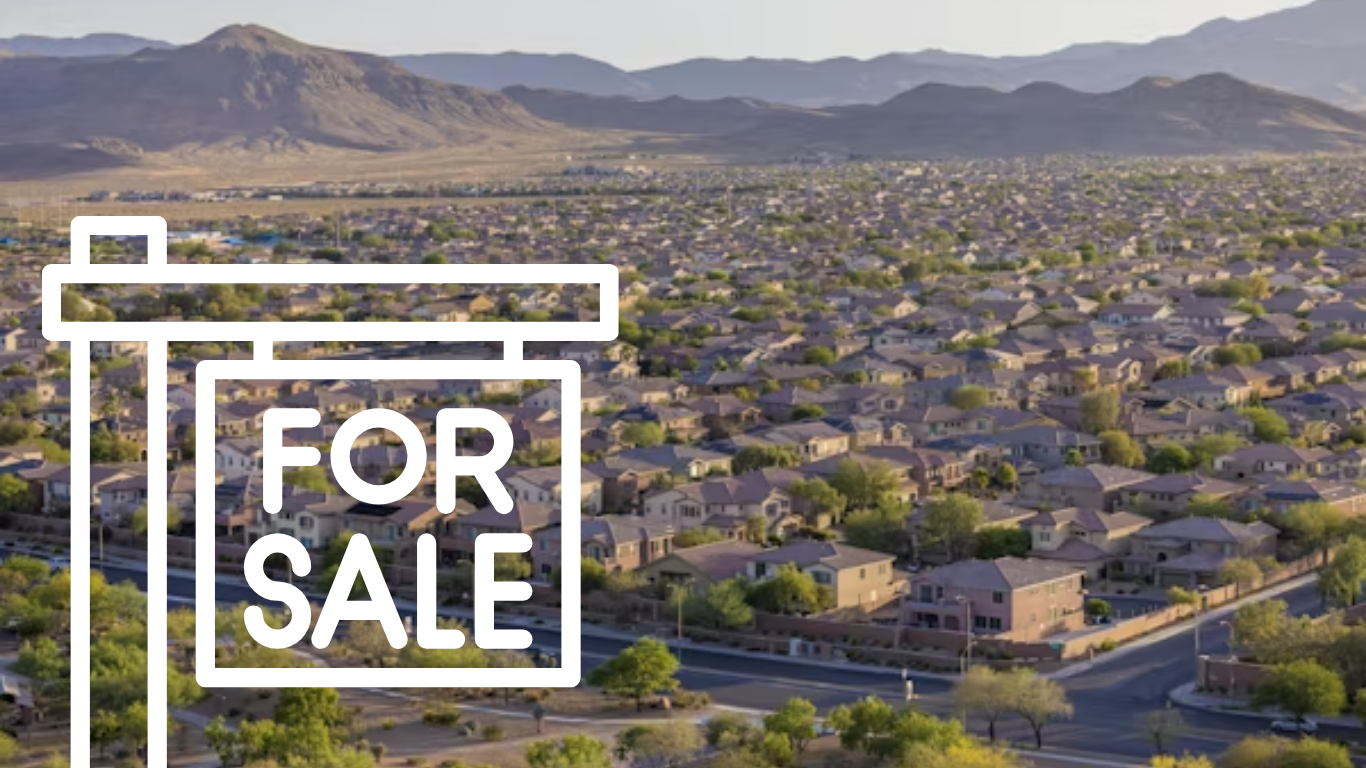
More homes are going to hit the market in 2026 — but don’t expect home prices to drop in the near future.
A new report by the National Association of Realtors predicts existing-home sales will jump by 14% in 2026. That’s because of a combination of dropping mortgage rates and improving market stability after several years.
But, despite the number of new homes hitting the market, prices are still projected to go up by 4% in 2026, as demand remains steady and supply remains lower than normal.
“Next year is really the year that we will see a measurable increase in sales,” said NAR National Economist Lawrence Yun. “Home prices nationwide are in no danger of declining.”
Mortgage rates are projected to go down to around 6% on average in 2026. Higher mortgage rates have made homes both more expensive and also dissuaded existing owners from selling their house because of an existing low mortgage rate, a concept known as a “mortgage rate lock.”
“As we go into next year, the mortgage rate will be a little bit better,” said Yun. “It’s not going to be a big decline, but it will be a modest decline that will improve affordability.”
Jessica Lautz, NAR deputy chief economist and vice president of research stressed that the median age of a homebuyer today is 59, and that the median age of a repeat buyer is 62, far older than in the past. At the same time, the share of first-time buyers hit an all-time low of 21% and the median first-time buyer age reached 40.
“The biggest struggle first-time buyers have is finding an affordable property, and many of them struggle to save for a down payment,” said Lautz. “The biggest source of pain that they are citing is high rent and student loan debt.”
Other projections also find home prices will continue to rise. Zillow is expecting home prices to rise to a peak of 1.9% in August of 2026. Home sales in 2025 ended up just slightly more than in 2024.
There's no doubt that homebuyers have been feeling the squeeze. Home prices nationally have grown rapidly since the onset of the Covid-19 pandemic.
In the second quarter of 2020, the median sale price for U.S. homes was $317,100, according to data compiled by the Federal Reserve. By the second quarter of 2022, that number was $437,700, up 38%. It dropped to $410,800 in the first quarter of 2025, but that's still up nearly 30% from the early days of the pandemic five years ago.
The cost of a "starter home" has jumped in recent years as well, according to an analysis by Redfin Corp.
In 2012, the typical median sale price for what Redfin defined as a "starter home" was $95,000. That price rose in 2019 to $165,500 — and it rose further, to $250,000, last year.
And it could take years before housing prices return to about 30% of income, a common affordability ratio that means the typical U.S. household purchasing a home would need to spend 30% of their income on their mortgage each month.
An analysis from real estate firm Redfin Corp. found that relative home affordability could return to a state of normality by 2030 if mortgage rates drop to about 5.5% and price growth stabilized instead of continuing to rise.
And for many baby boomers, there are still obvious reasons not to sell their home. That includes having locked in at a low interest rate, having already paid off their home or simply having no interest in moving again. About 43% of baby boomers say they will never sell their home, the highest of any generational group, according to a survey of U.S. residents ages 18 to 65 by real estate firm Redfin Corp. The biggest single reason cited for staying in place is that their home is almost or completely paid off, while others say they like where they live.
While it's typical for older Americans to occupy a larger share of homeownership, the share of homes owned by Americans older than 55 years grew from 44.3% in 2008 to 54% in 2023, according to a study by Construction Coverage.
Meanwhile, Americans ages 35 to 54 saw a decline in homeownership, with their share dropping from 42.3% in 2008 to 34% in 2023. Baby boomers specifically, who were between the ages of 60 and 78 in 2024, account for 20% of the population but make up more than 37% of homeowners nationwide.
Final Thoughts
Going into 2026, buyers should feel encouraged, more homes are expected to hit the market, mortgage rates are easing, and affordability is slowly improving. Prices will likely continue rising, but at a manageable pace, which means acting sooner rather than later can put you in a stronger position. If you're thinking about making a move, this is the time to start planning your budget, exploring neighborhoods you love, and getting prepped for shifting conditions. For buyers across the U.S. "especially here in Arizona" this moment matters because more inventory and better rates create rare opportunities in a market that’s been tight for years. If you’re ready to take the next step, Our team is here to help you navigate it with confidence.

John Sposato
Co-Founder / Co-Operator | Arizona Home Group | Keller Williams Realty Sonoran Living
or another way