Published July 3, 2023
CAP: History and Water Supply

CAP: History and Water Supply
John A Sposato

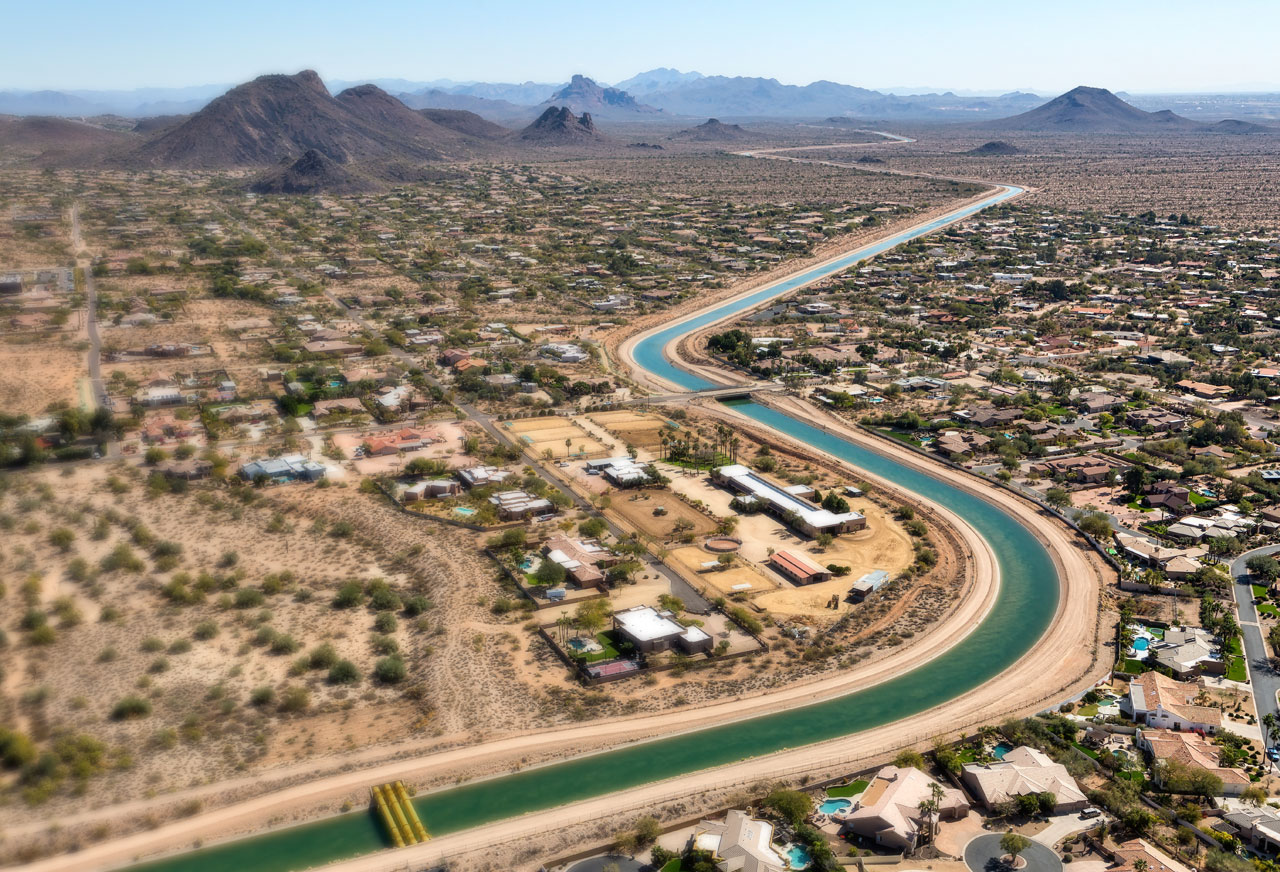
The Central Arizona Project (CAP) is a monumental water diversion project that has transformed the arid regions of central and southern Arizona by bringing water from the Colorado River. With its vast canal system, the CAP supplies vital water resources to support agricultural, industrial, and municipal needs, particularly in the Phoenix metropolitan area. Let's delve into the intriguing history of this project.
Arizona has long grappled with the challenge of water scarcity due to its arid climate and limited water resources. Recognizing the need for a sustainable water supply, the state began constructing dams and reservoirs on rivers within its borders. The completion of the Roosevelt Dam on the Salt River in 1911 marked an early step toward storing and regulating water flow in the region.

However, the limited water resources within the state were insufficient to meet the demands of a growing population and economy. To address this, Arizona sought to tap into the Colorado River, which traverses multiple U.S. states. In 1922, Arizona, along with six other states, signed the Colorado River Compact, an agreement that allocated water rights among the states sharing the river's resources. Arizona's allocation was relatively modest due to concerns over its lack of developed infrastructure at the time.
The concept of a canal system to bring water from the Colorado River to Arizona gained momentum in the 1930s. However, it wasn't until the 1960s that significant progress was made. In 1968, the U.S. Congress authorized the construction of the Central Arizona Project, marking a pivotal moment in the history of water management in the region.
Construction of the Central Arizona Project commenced in 1973, comprising a monumental 336-mile-long canal system. The project involved the creation of dams, pumping stations, aqueducts, and tunnels to divert and transport water from the Colorado River to Arizona. Among the notable structures of the project is the New Waddell Dam, completed in 1994, which forms the Lake Pleasant reservoir.

The construction of the Central Arizona Project was not without its challenges. Native American tribes, environmental groups, and various stakeholders expressed concerns about the project's impact on water resources, wildlife habitats, and cultural heritage sites. These concerns led to legal battles and the implementation of environmental mitigation measures to address these issues.
The completion of the Central Arizona Project enabled the delivery of much-needed Colorado River water to central and southern Arizona. The Phoenix metropolitan area, in particular, benefited immensely from this water supply. It supported population growth, facilitated urban development, and sustained agricultural activities that form the backbone of the region's economy. Moreover, the project helped stabilize water availability during periods of drought, ensuring a reliable water supply for various purposes.
The Central Arizona Project stands as an integral component of Arizona's water management system. Water from the Colorado River is stored in reservoirs along the canal system, providing a crucial buffer during droughts and ensuring a dependable water supply for agriculture, municipalities, and industry.
The project requires ongoing management, maintenance, and periodic infrastructure upgrades to ensure its long-term reliability and sustainability. As Arizona continues to face the challenges of population growth, changing water demands, and environmental considerations, the Central Arizona Project remains a vital lifeline, securing water resources and supporting the prosperous future of the region.
In conclusion, the Central Arizona Project has been a monumental endeavor that has revolutionized water management in central and southern Arizona. By harnessing the waters of the Colorado River, this project has played a pivotal role in meeting the region's water needs, fostering economic development, and effectively managing water resources in an arid environment.